
the Dog You Imagined
& the Dog You Have
How Virginia Satir’s Change Model helps us understand the relationship we build with our dogs
Most of us meet our dogs twice: first in our imagination, and then in real life.
Before a dog comes home, we picture the walks, the routines, and the companionship. Then we begin living with an actual dog—with preferences, sensitivities, habits, and a personality of their own. The relationship starts to take shape as we discover where that dog meets, surprises, or challenges our expectations.
Sometimes the surprise is wonderful. Sometimes it’s hard. Often, it’s both.
Virginia Satir’s Change Model gives us a way to understand that process. Known as “The Mother of Family Therapy, Satir developed from the model to describe what happens when a change disrupts familiar expectations and people must find new ways to relate. Its five stages are Late Status Quo, Resistance, Chaos, Integration, and New Status Quo.
The Honored Dog applies those stages to the human side of life with a dog. Here is how the connection works.

These are the six parts of the change process as they relate to life with a dog.
1. Expectation Phase
Satir’s Late Status Quo
The Life You Picture
In Satir’s model, the late status quo is a familiar way of living. People know what to expect and how they usually respond.
Before your dog arrives, you have a picture of what life together will be like. It may come from dogs you’ve known, stories you’ve heard, or a feeling you’ve been longing for. You may imagine a companion who joins you everywhere, loves meeting people, or settles easily into your household. You may have chosen a breed or read about a dog’s history and feel you know what to expect.
Those hopes are real. They are also a starting point. The relationship you’re picturing has yet to meet the dog who will share it with you. This picture tells you something about the relationship you hope to have.
2. Discovery Phase
Satir’s Resistance Phase / Tuckman’s Forming Stage
Imagining becomes Living
Then your dog comes home.
In Satir’s model, a foreign element disrupts the familiar way of life. Even a wanted change asks people to adjust, and their first response may be to reach for the routines they already know well.
Bringing a dog home changes the shape of your days. The walks you pictured are now walks you take in the rain, when you’re tired, or when you have somewhere else to be. Potty training, meals, and settling in aren’t plans anymore; they’re part of your everyday life.
Even if your dog is close to what you expected, the experience can still feel different from what you imagined. You may notice things you hadn’t expected. Perhaps your dog is bolder, quieter, more cautious, or more independent than you imagined. This is where discovery begins, for both/all of you. Resistance doesn’t mean you regret bringing your dog home. It can be the very human feeling of realizing and feeling the impacts of change.
3. Challenging Phase
Satir’s Chaos Phase / Tuckman’s Storming Stage
The Old Approach No Longer Fits
At some point, you may think, I thought this would feel different.
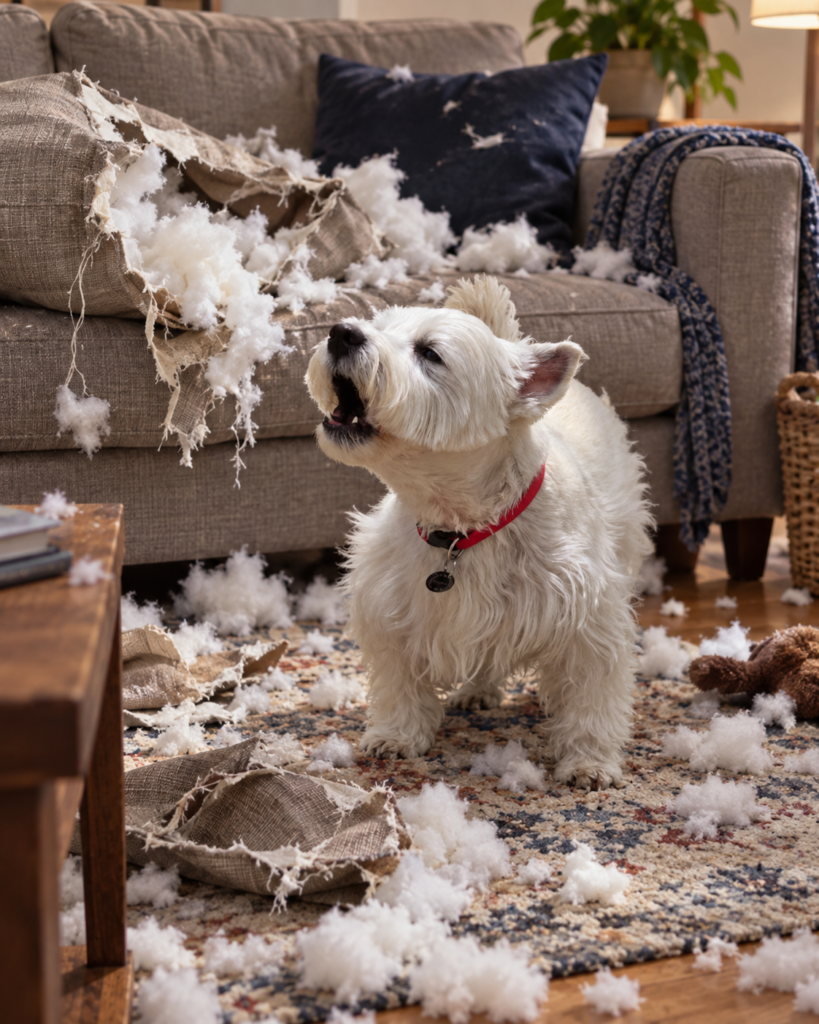
In Satir’s model, chaos is the unsettled period when familiar expectations and responses are no longer reliable, and new ones have not yet taken hold.
For dog parents, this can be the stretch of trying to make daily life work. The outings you imagined may be difficult. A routine that seemed sensible may not suit your dog. You may love them deeply and still feel frustrated, disappointed, or unsure of your decisions.
Maybe your dog needs more space than you expected. Maybe the activities you looked forward to aren’t enjoyable for them (or you) yet. You can love your dog and still feel disappointed, confused, or tired. Saying so doesn’t diminish that love.
These feelings deserve an honest conversation. They can tell you where you need more understanding, support, or a different approach. When a specific behavior or safety concern needs professional help, a qualified trainer or other appropriate professional can be part of that support.
Satir called this unsettled part of change chaos. Knowing it has a place in the process can help us understand what is occurring at this time, and accept it as a necessary part of the process. It also helps us dismiss feelings of failure. By understanding this is part of the journey, we can relax and accept it as a necessary phase of normalizing the relationship.
4. Belonging Phase
Satir’s Integration Phase / Tuckman’s Norming Stage
Seeing & Responding in New Ways
Through the challenges and joyful moments, as you watch and experience your dog with curiosity, you start to notice patterns.
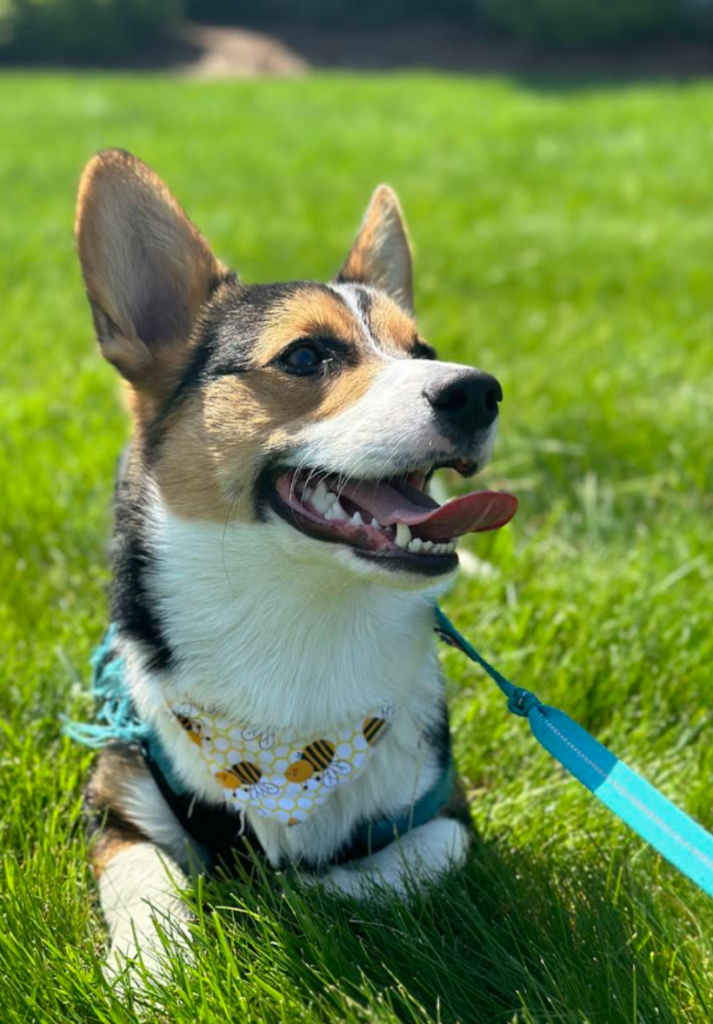
In Satir’s model, integration begins with a transforming idea: a new understanding that makes a different response possible. People put that understanding into practice and learn what works.
With your dog, the shift might begin when you stop asking why they aren’t enjoying the outing you planned and start noticing what helps them feel comfortable. You see when they’re eager, when they’re hesitant, and what brings out their personality. Replacing judgement with curiousity helps us better understand our dog so that we can improve how we relate to them
That understanding changes what you do. You may adjust a routine, offer your dog more space with new people, or find an activity you both enjoy. You try, observe, and adjust again. Through that practice, you build ways of relating that fit the dog in front of you.
What helps them feel comfortable? What brings out their enthusiasm? When do they want closeness, and when do they need a little room?
You may also notice how your own expectations shape what you see. A dog who doesn’t greet every stranger might be thoughtful about new people. A dog who wants to lead the way might enjoy having choices. These observations don’t answer every question, but they give you a better place to begin.
This is the shift at the heart of The Honored Dog: seeing the dog in front of you more clearly.
5. Thriving Phase
Satir’s New Status Quo Phase / Tuckman’s Performing Stage
A Life You’ve Created Together

Understanding grows through everyday choices. You may decide to try a different approach to an outing. You make room for an activity your dog enjoys. You notice when an old expectation returns, and you get curious again.
In Satir’s model, the new status quo is a more settled way of living after change has been integrated.
Over time, you begin to recognize your shared rhythms. You know more about what delights them, what they find difficult, and how to support them. You have ways to reconnect after a hard day and enjoy the ordinary moments together.
This life may differ from the one you first pictured. Your life together and the bond you share has been shaped and strengthened through the journey of getting to know each other.
Some days that feels natural. Other days, you’ll need to stop and rethink your response. Stay curious. Building a relationship takes practice, for you and for your dog.
A new change—a move, a new family member, or your dog growing older—may ask you to revisit the process. Relationships continue to change, and so can your understanding of your dog.
While your life may not look like the one you pictured before your dog came home, it may hold things you never thought to imagine. Certain aspects may feel disappointing, while others bring about unexpectedly delight.
In the end, it’s important to remember that there isn’t a finish line. Life is full of change. A move, a new family member, aging, or another change can unsettle familiar routines. When more change is introduced, you and your dog may need to rediscover each other in new ways. Just as every relationship in our lives, your journey with your dog is on a continuum. The Honored Dog Journey is a necessary part of having a relationship that continues to grow and flourish.
Where are you and your dog right now?
Satir’s model shows why the gap between expectation and reality can feel so significant: it asks us to change how we understand and respond within a relationship. The Honored Dog Journey uses that insight to help dog parents recognize what they’re experiencing and get curious about the dog in front of them.
The Honored Dog Journey draws on Satir’s ideas about change, alongside Bruce Tuckman’s work on how relationships develop over time. It’s the foundation for our workshops because it gives us a way to talk about the joys and challenges of raising and living with a dog, without expecting every relationship to look the same or follow the same timetable.
If you’re just beginning to get to know your dog, our Discovery workshop is a good place to start. We’ll make room for the dog you imagined, get curious about the dog in front of you, and explore what your relationship could become.